
Locations, not corners
A SKU lives in a marked spot so the next pick is not a search.
New guide: when to ship from China, when to stock closer to customers, and when to do both.
Read itServices
Warehousing is the unglamorous half of fulfillment. Goods have an address inside the building, a quantity, and a rule for who is allowed to take them.
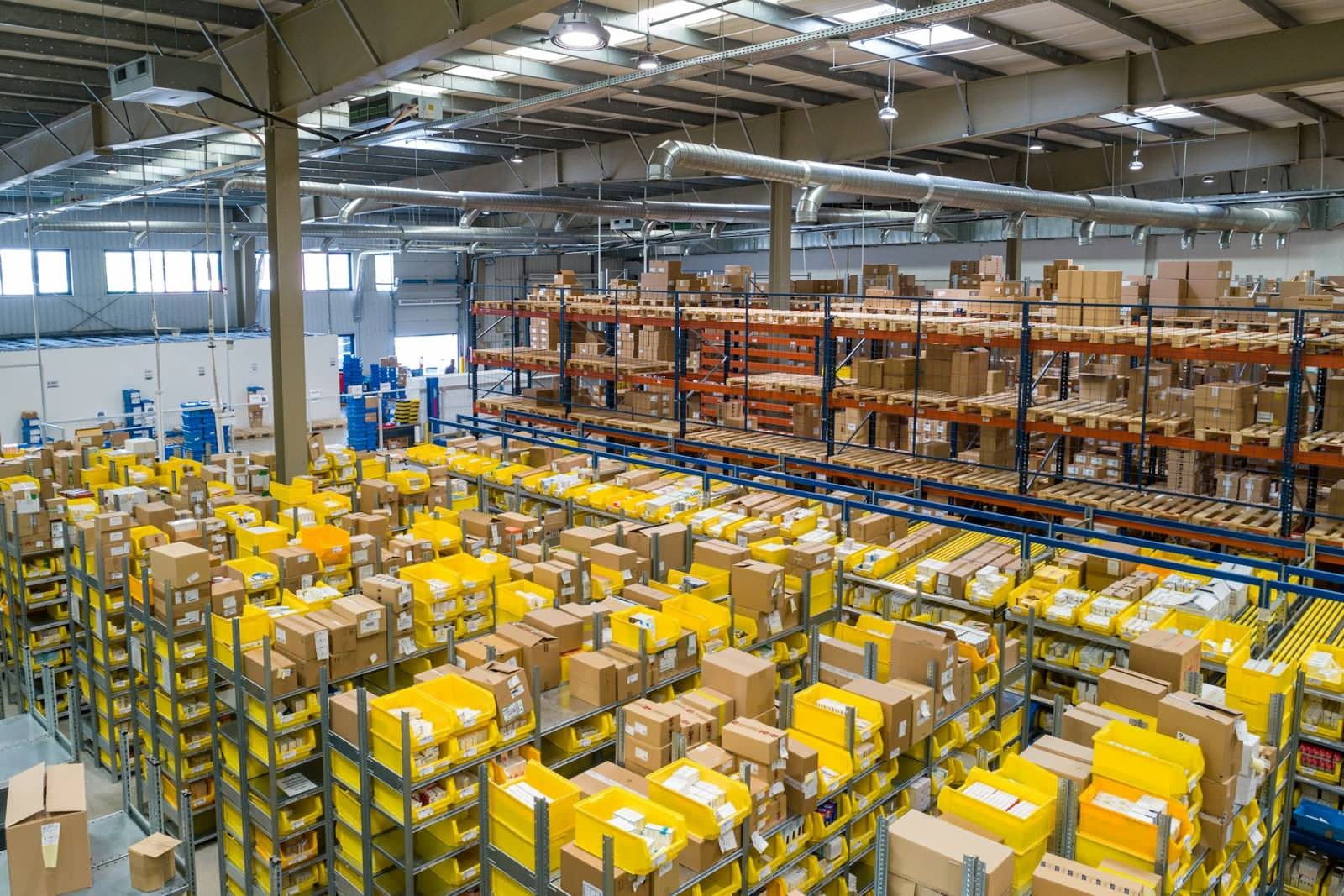
A SKU lives in a marked spot so the next pick is not a search.
We count what arrived, not what the factory email promised.
The sample rate card explains how space is billed. Replace it with your live rate.
Parcel, FBA carton, or wholesale pallet from the same stock.
The home bench is in China, close to production. Other regions on the network page are options for stock that has already found its buyers. You do not have to open all of them.
How it runs
01
Tell us what is coming, in which cartons, and when.
02
Count, condition, and a note if something is short or crushed.
03
Units are scanned to a location.
04
Available and reserved stay distinct.
Also on the bench
A seasonal pallet and a fast SKU are not billed as if they were the same decision.
Say if you need them tracked. We will not guess.
A picture of a damaged carton beats a paragraph.
Sourcing is a search with a constraint: what the product must do, what it may cost, and how many you will actually buy. We look for makers, collect samples, and tell you what is wrong with them.
Pick and pack is the moment a digital order becomes a physical one. The work is a location, a check, a pack method, and a label. Speed matters less than doing that sequence the same way every time.
Kitting is assembly with a list. Components arrive, sometimes from different suppliers, and leave as a set a customer can understand.
Tell us what you sell and where it needs to go. We reply with sourcing, storage, handling, and shipping options.