
No blank inventory mountain
You print the size and the artwork that sold.
New guide: when to ship from China, when to stock closer to customers, and when to do both.
Read itSolutions
Print-on-demand fulfillment is for tees, posters, and other made-after-the-sale goods. Production and the parcel live in one handoff, so you are not chasing a printer and a warehouse who have never spoken.
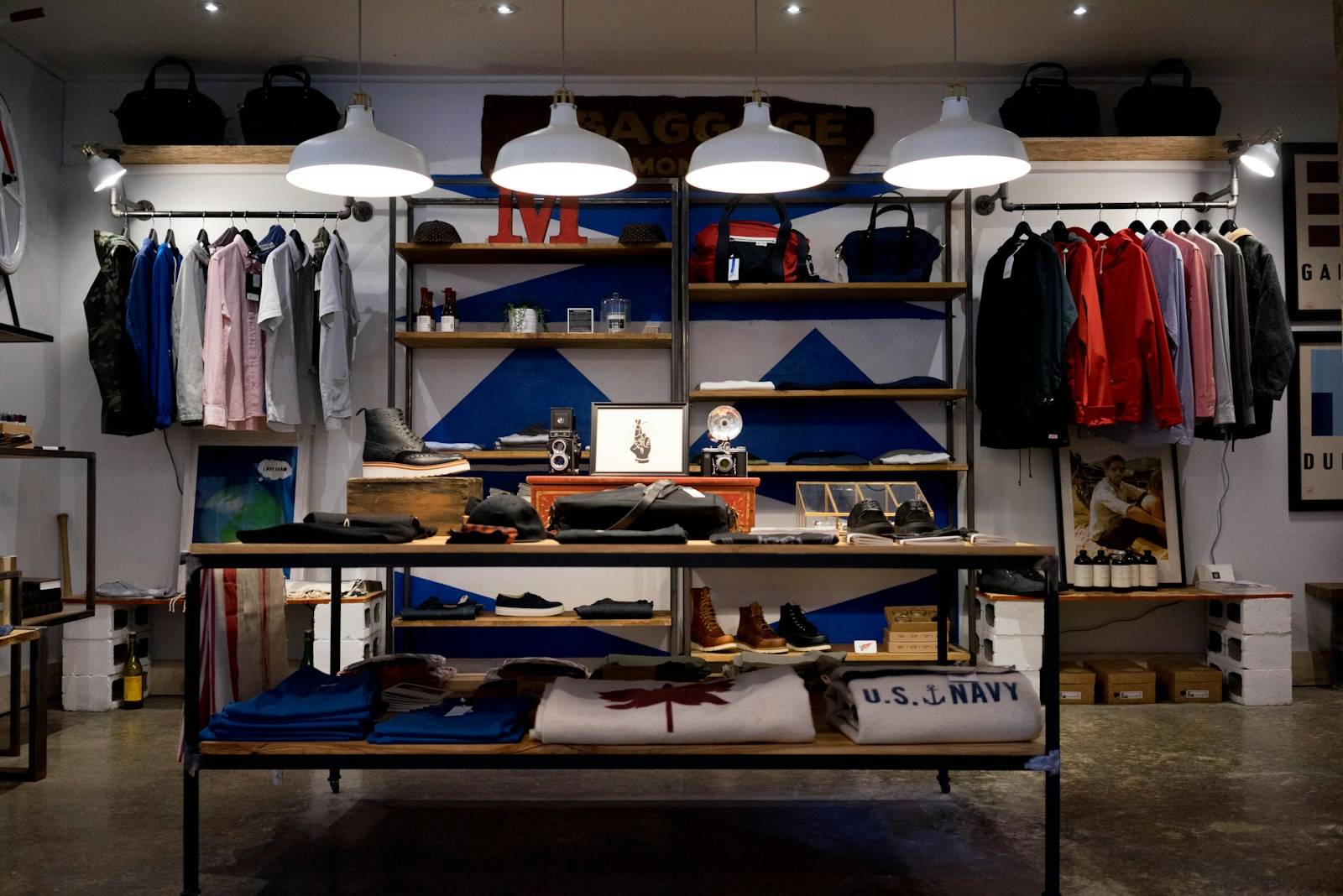
You print the size and the artwork that sold.
Polybag, fold, and insert follow a spec, not a mood.
A printed tee and a stocked hat can leave in one order if you want them to.
The ship promise includes print time, not only courier time.
Print-ready files, a color target, a size chart, and a note about what “good” looks like. We will not invent an art file. If you already have a print partner, we can receive finished pieces and only do the pack-out.
How it runs
01
One piece, in hand or in photos, before the listing goes live.
02
Artwork, size, and address come with the line.
03
The piece is made to the approved method.
04
It joins the same label queue as everything else you sell.
Also on the bench
Ask if the method can take your label. Do not assume.
A poster and a stocked SKU can be split or combined. You choose.
A design that sells daily can be pre-printed in the sizes that move.
Ecommerce fulfillment is for brands that already have product. You send cartons in. Orders from the cart become parcels, and tracking goes back to the buyer.
Dropshipping here means the order comes first and the unit moves after. It works when you have a supplier who can release goods quickly, or when you want sourcing help before you commit to a container.
Hybrid fulfillment means more than one node. China holds the flexible stock. A local node holds what has already earned a faster delivery. Each order ships from the place you assigned.
Tell us what you sell and where it needs to go. We reply with sourcing, storage, handling, and shipping options.