
One queue
Supported carts push orders into the same list, so a Friday night is not a spreadsheet.
New guide: when to ship from China, when to stock closer to customers, and when to do both.
Read itSolutions
Ecommerce fulfillment is for brands that already have product. You send cartons in. Orders from the cart become parcels, and tracking goes back to the buyer.
Supported carts push orders into the same list, so a Friday night is not a spreadsheet.
Mailer, carton, insert, or plain. Written once and followed on every order.
When the connection allows it, the tracking number is written back to the store.
The same units can sell on more than one cart without a second count.
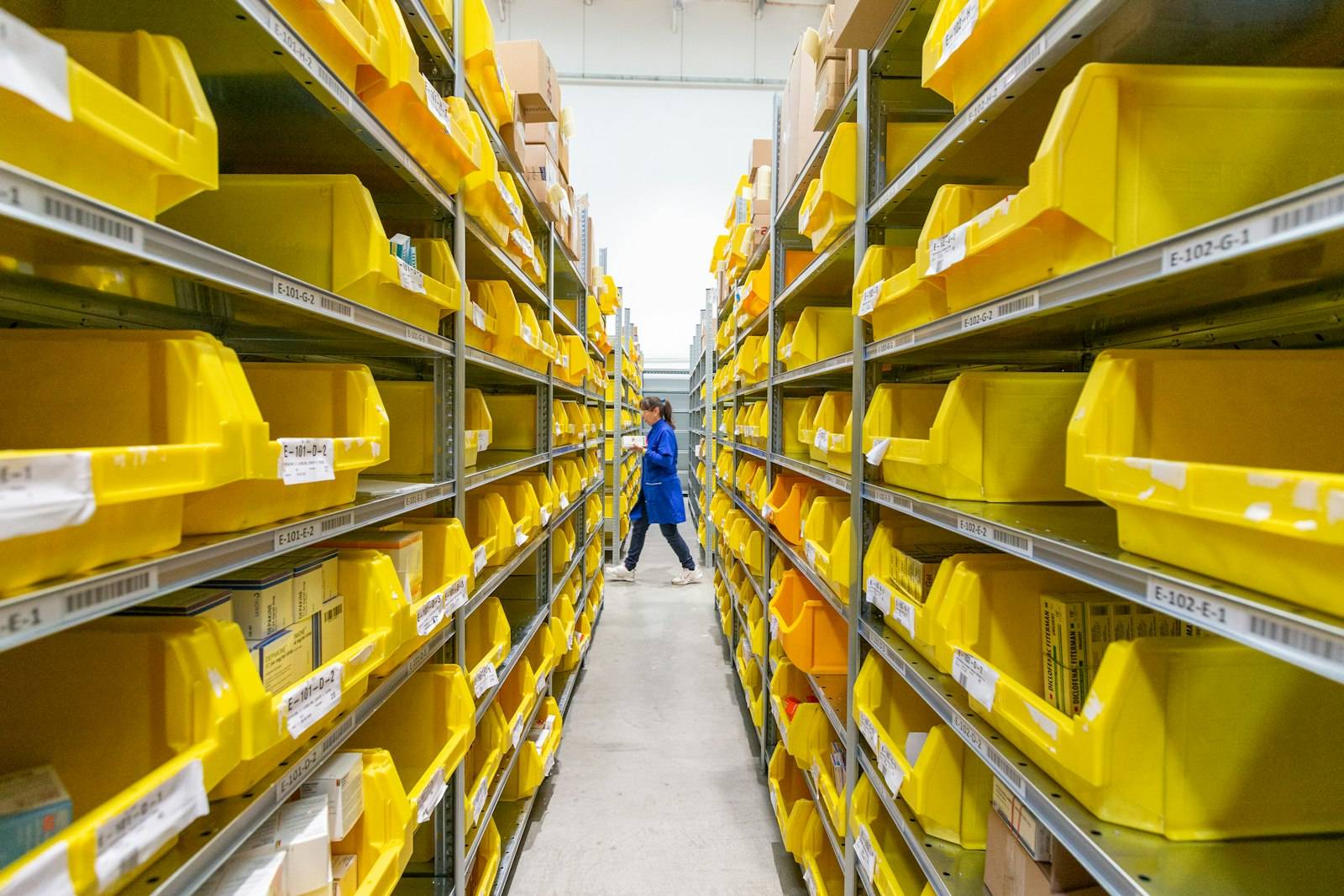
Product, price, creative, and the customer relationship stay on your side. Receiving, the bin, the pick, the pack, and the carrier handoff sit with the warehouse. You see exceptions instead of packing them.
How it runs
01
Authorize the store. Products and orders start to arrive.
02
Ship finished goods to the address on your account, with a list we can count against.
03
Each order is pulled, checked against the line items, and packed to the spec.
04
The label is bought on the lane you approved, and tracking is posted back.
Also on the bench
If one line is short, you choose to wait or to ship what is in the bin.
Start with a plain mailer. Add your box when the product has earned it.
A returned parcel can be graded back into stock or set aside.
Dropshipping here means the order comes first and the unit moves after. It works when you have a supplier who can release goods quickly, or when you want sourcing help before you commit to a container.
Hybrid fulfillment means more than one node. China holds the flexible stock. A local node holds what has already earned a faster delivery. Each order ships from the place you assigned.
Print-on-demand fulfillment is for tees, posters, and other made-after-the-sale goods. Production and the parcel live in one handoff, so you are not chasing a printer and a warehouse who have never spoken.
Tell us what you sell and where it needs to go. We reply with sourcing, storage, handling, and shipping options.