
Size-level counts
Small and medium are different SKUs, and the count says so.
New guide: when to ship from China, when to stock closer to customers, and when to do both.
Read itSolutions
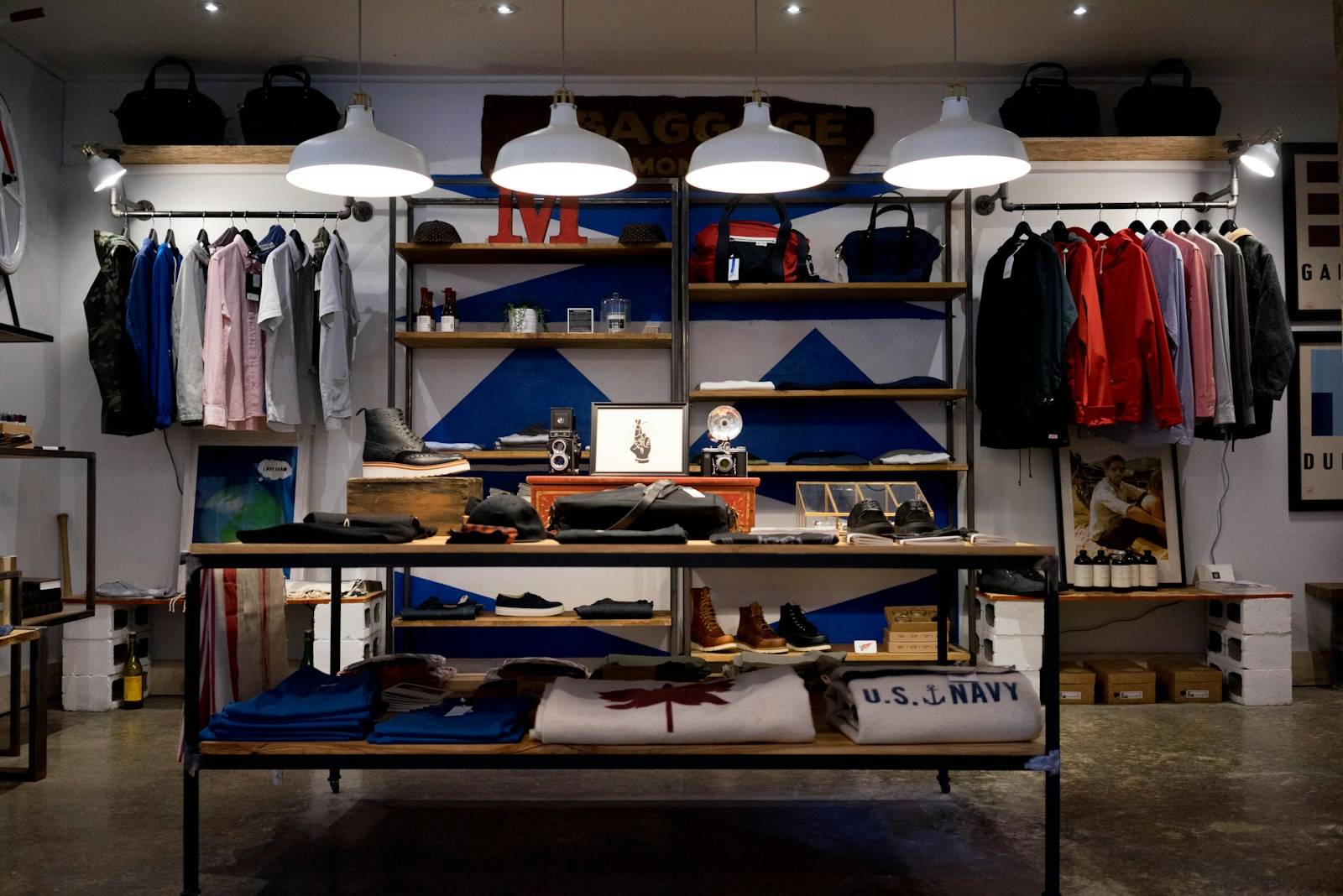
Apparel fails in the details: a missing medium, a crease you did not want, a barcode on the outside of a polybag. The work is ordinary and it has to be repeatable.
Small and medium are different SKUs, and the count says so.
Retail fold, mailer fold, or hanger. Pick one.
Bagged when you need it, with the sticker in the right place.
A returned medium goes back to medium, not to a mixed bin.
A drop ships as a wave. A restock should not wait behind that wave if you say so. Tell us which purchase order is allowed to interrupt the queue and which one has to wait.
How it runs
01
SKUs, barcodes, and the fold.
02
A mixed carton is opened and counted, not guessed.
03
The size on the order is the size in the bag.
04
Mailer, tissue, card, or a plain poly for the marketplace that requires it.
Also on the bench
Hangtags and spare buttons, if you supply them.
Different pack-outs for Amazon and your own site.
A counted leftover list so you can discount with your eyes open.
Ecommerce fulfillment is for brands that already have product. You send cartons in. Orders from the cart become parcels, and tracking goes back to the buyer.
Dropshipping here means the order comes first and the unit moves after. It works when you have a supplier who can release goods quickly, or when you want sourcing help before you commit to a container.
Hybrid fulfillment means more than one node. China holds the flexible stock. A local node holds what has already earned a faster delivery. Each order ships from the place you assigned.
Tell us what you sell and where it needs to go. We reply with sourcing, storage, handling, and shipping options.