
No warehouse of your own
You do not lease a floor to test a listing.
New guide: when to ship from China, when to stock closer to customers, and when to do both.
Read itSolutions
Dropshipping here means the order comes first and the unit moves after. It works when you have a supplier who can release goods quickly, or when you want sourcing help before you commit to a container.
You do not lease a floor to test a listing.
We can receive from your factory, or help you look for one.
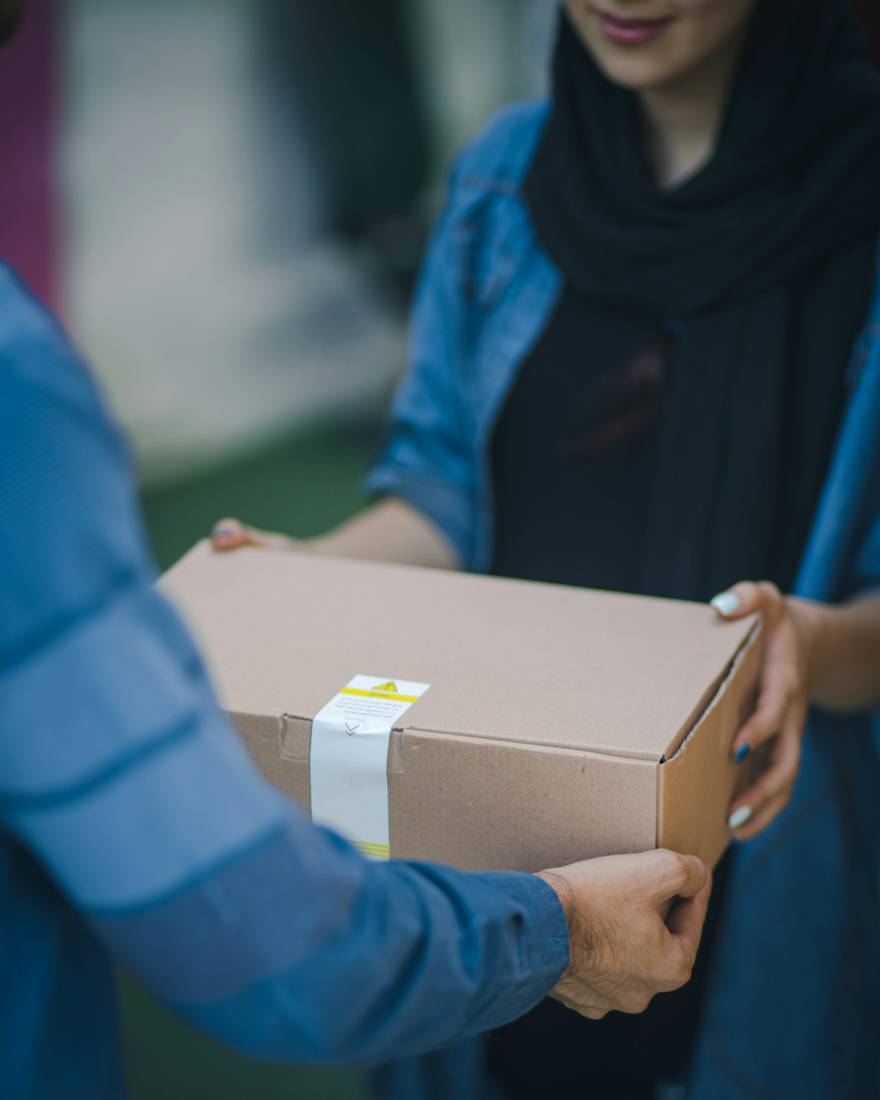
The parcel does not have to look like a loose factory bag.
When a SKU repeats, you can switch that SKU to held inventory.
Every order waits on a supplier. If the factory is slow, the buyer feels it. We will not pretend a made-to-order item ships like a unit that is already in a bin. The quote should say which SKUs are in stock and which are still at a bench.
How it runs
01
Tell buyers the range that matches the lane, not the range you hope for.
02
The cart sends the line items and the address.
03
Your supplier hands units over, or we pick from a small reserve.
04
The parcel leaves on the lane you chose for that country.
Also on the bench
Ask for a check on the first lots before you trust a new maker.
Bad addresses are paused instead of becoming a returned-to-sender story.
A SKU that sells every day should stop living as a one-off.
Ecommerce fulfillment is for brands that already have product. You send cartons in. Orders from the cart become parcels, and tracking goes back to the buyer.
Hybrid fulfillment means more than one node. China holds the flexible stock. A local node holds what has already earned a faster delivery. Each order ships from the place you assigned.
Print-on-demand fulfillment is for tees, posters, and other made-after-the-sale goods. Production and the parcel live in one handoff, so you are not chasing a printer and a warehouse who have never spoken.
Tell us what you sell and where it needs to go. We reply with sourcing, storage, handling, and shipping options.