
Less cash in the wrong country
A test SKU does not need a pallet in every market.
New guide: when to ship from China, when to stock closer to customers, and when to do both.
Read itSolutions
Hybrid fulfillment means more than one node. China holds the flexible stock. A local node holds what has already earned a faster delivery. Each order ships from the place you assigned.
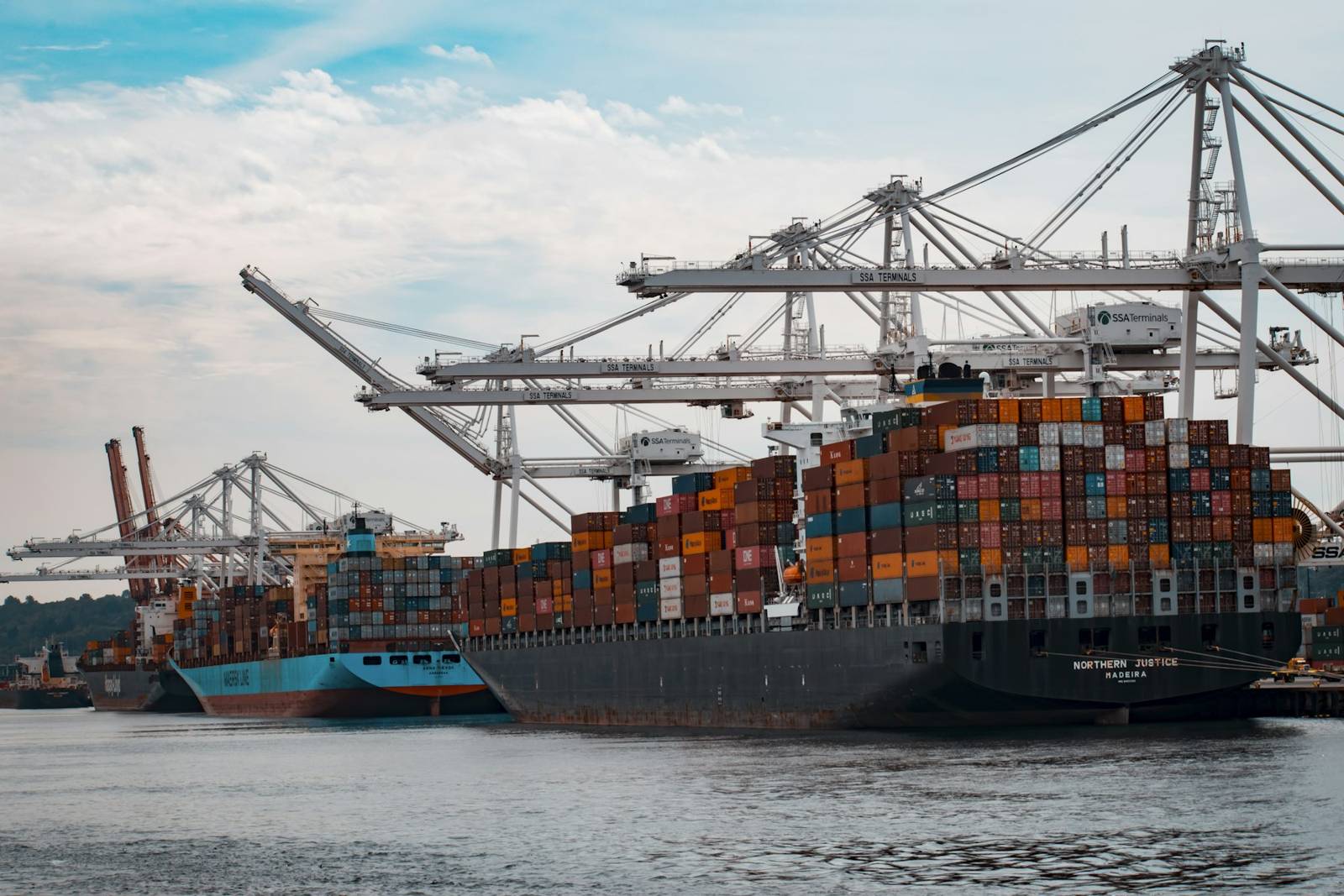
A test SKU does not need a pallet in every market.
The SKU that sells every week can sit nearer the buyer.
The cart does not need to know which building picked the unit.
Routing is a decision you set, not a surprise on the invoice.
New colorways, seasonal tests, and slow sizes stay beside the factory. The hero SKU, once it has a few calm weeks of sales, moves. When the season ends, you stop replenishing the far node instead of paying rent on a guess.
How it runs
01
Start with China. Add a country only when orders justify the inbound.
02
Flexible, proven, or both. The tag drives where replenishment goes.
03
Prefer the near node when it has stock. Fall back to China when it does not.
04
Move, pause, or recall. Hybrid only works if you look at it.
Also on the bench
Air for urgency, ocean for cartons that can wait.
A domestic order and an export order do not have to share a box.
Say which node should receive returns for each market.
Ecommerce fulfillment is for brands that already have product. You send cartons in. Orders from the cart become parcels, and tracking goes back to the buyer.
Dropshipping here means the order comes first and the unit moves after. It works when you have a supplier who can release goods quickly, or when you want sourcing help before you commit to a container.
Print-on-demand fulfillment is for tees, posters, and other made-after-the-sale goods. Production and the parcel live in one handoff, so you are not chasing a printer and a warehouse who have never spoken.
Tell us what you sell and where it needs to go. We reply with sourcing, storage, handling, and shipping options.