
FNSKU and carton labels
Applied the way the shipment plan describes.
New guide: when to ship from China, when to stock closer to customers, and when to do both.
Read itSolutions
FBA prep is not store fulfillment. It is getting your goods into Amazon’s building without a rejection. Labels, suffocation warnings, carton marks, and a count that matches the shipment plan.
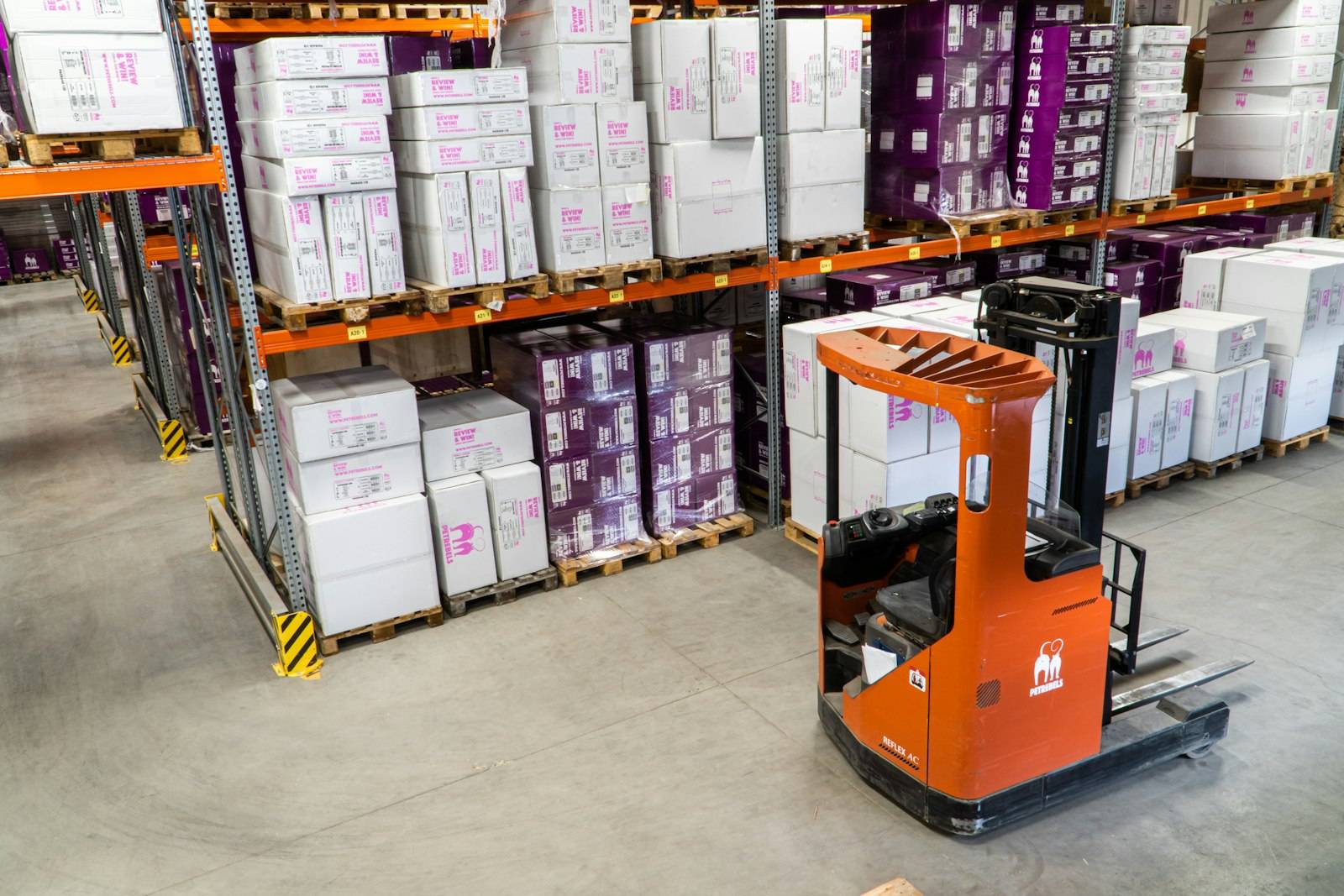
Applied the way the shipment plan describes.
Bagged when the product needs it, with the warning you specify.
What we close in the carton is what you file.
A bad barcode is a photo, not a surprise at the Amazon dock.
We do not log into Amazon as you unless you explicitly set that up, and even then the account is yours. We prep and, when you ask, hand the freight toward the facility you named. Appointment rules and inbound performance stay on your seller account.
How it runs
01
SKUs, quantities, label type, and any prep Amazon already flagged.
02
Label, bag, and pack to the carton limit you set.
03
Carton content and box content have to agree.
04
We book the handoff you approved toward the facility on the plan.
Also on the bench
A multipack sold as one FNSKU is built before it is labeled.
If your product needs a date, say so before it is received.
Units that should not go to FBA can stay and ship as merchant orders.
Ecommerce fulfillment is for brands that already have product. You send cartons in. Orders from the cart become parcels, and tracking goes back to the buyer.
Dropshipping here means the order comes first and the unit moves after. It works when you have a supplier who can release goods quickly, or when you want sourcing help before you commit to a container.
Hybrid fulfillment means more than one node. China holds the flexible stock. A local node holds what has already earned a faster delivery. Each order ships from the place you assigned.
Tell us what you sell and where it needs to go. We reply with sourcing, storage, handling, and shipping options.