
Domestic after arrival
The slow part is the inbound, not every single order.
New guide: when to ship from China, when to stock closer to customers, and when to do both.
Read itNetwork
Australia punishes a casual ship promise. If the product is a repeat purchase, a local node is often the difference between a second order and a complaint.
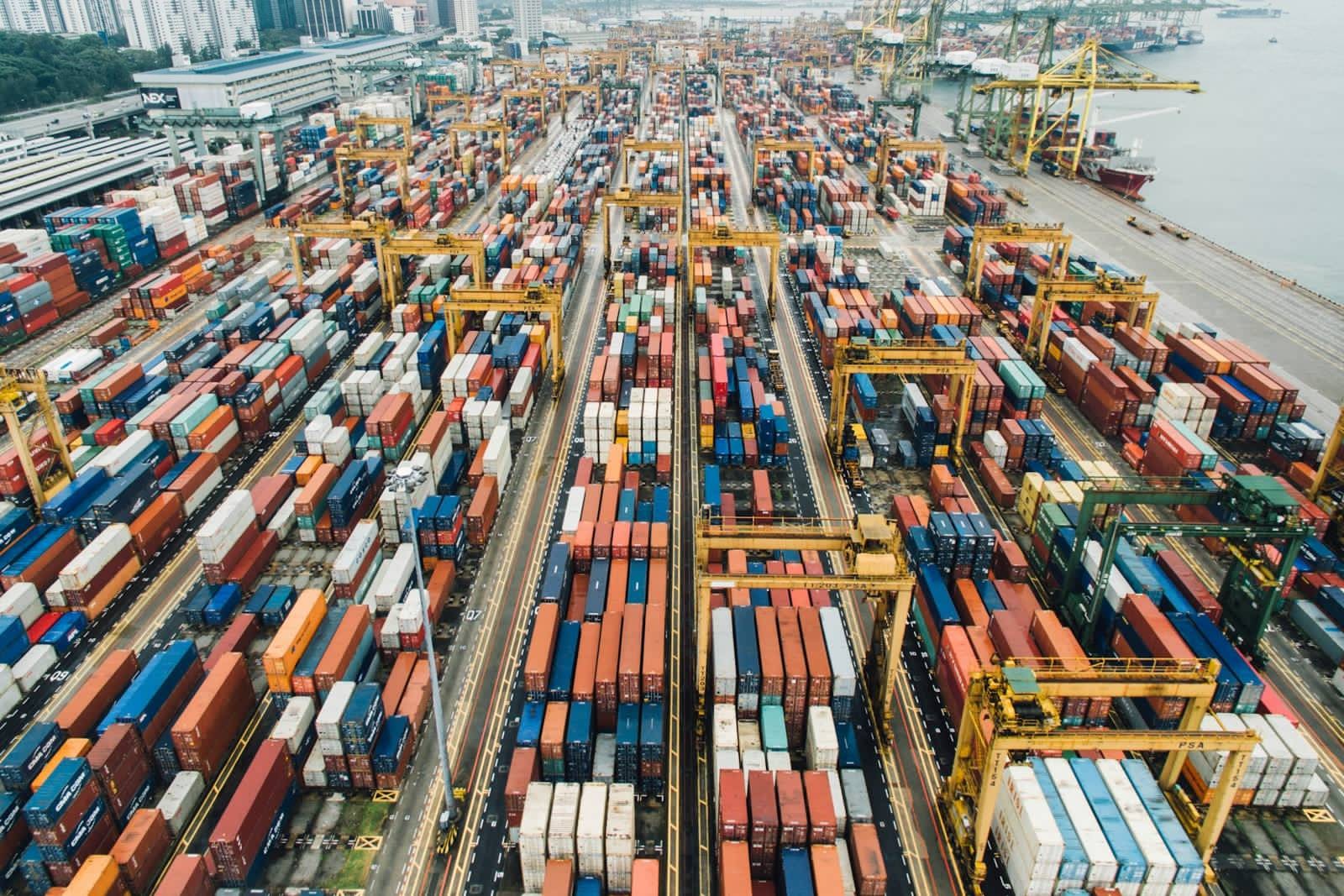
The slow part is the inbound, not every single order.
Consumables and winners, not one-off tests.
The import is planned, not discovered at the port.
The count sits next to your China count.
Many brands should ship the first Australian orders direct from China, watch the real demand, and only then forward a carton. Opening a node for three orders a month is storage with a view.
How it runs
01
A few direct orders tell you the true window.
02
Based on weeks of cover, not a hunch.
03
Count before you mark the listing as local.
04
Only after the units are available.
Also on the bench
Some postcodes are slower. The quote should mention them.
Cheaper than an international return almost every time.
Book it before the peak, not during it.
China is the default node. Sourcing, inspection, storage, kitting, and direct-to-buyer lanes all begin here. You add other countries only when a SKU has earned the trip.
A United States node is for products with a steady American buyer. It shortens the last mile. It is a poor place to park a guess.
A European node helps when your buyers are concentrated enough to share a shelf. VAT, IOSS, and the country you ship into are part of the design, not a footnote.
Tell us what you sell and where it needs to go. We reply with sourcing, storage, handling, and shipping options.