
Shorter regional legs
A parcel that starts inside the region skips the long international wait.
New guide: when to ship from China, when to stock closer to customers, and when to do both.
Read itNetwork
A European node helps when your buyers are concentrated enough to share a shelf. VAT, IOSS, and the country you ship into are part of the design, not a footnote.
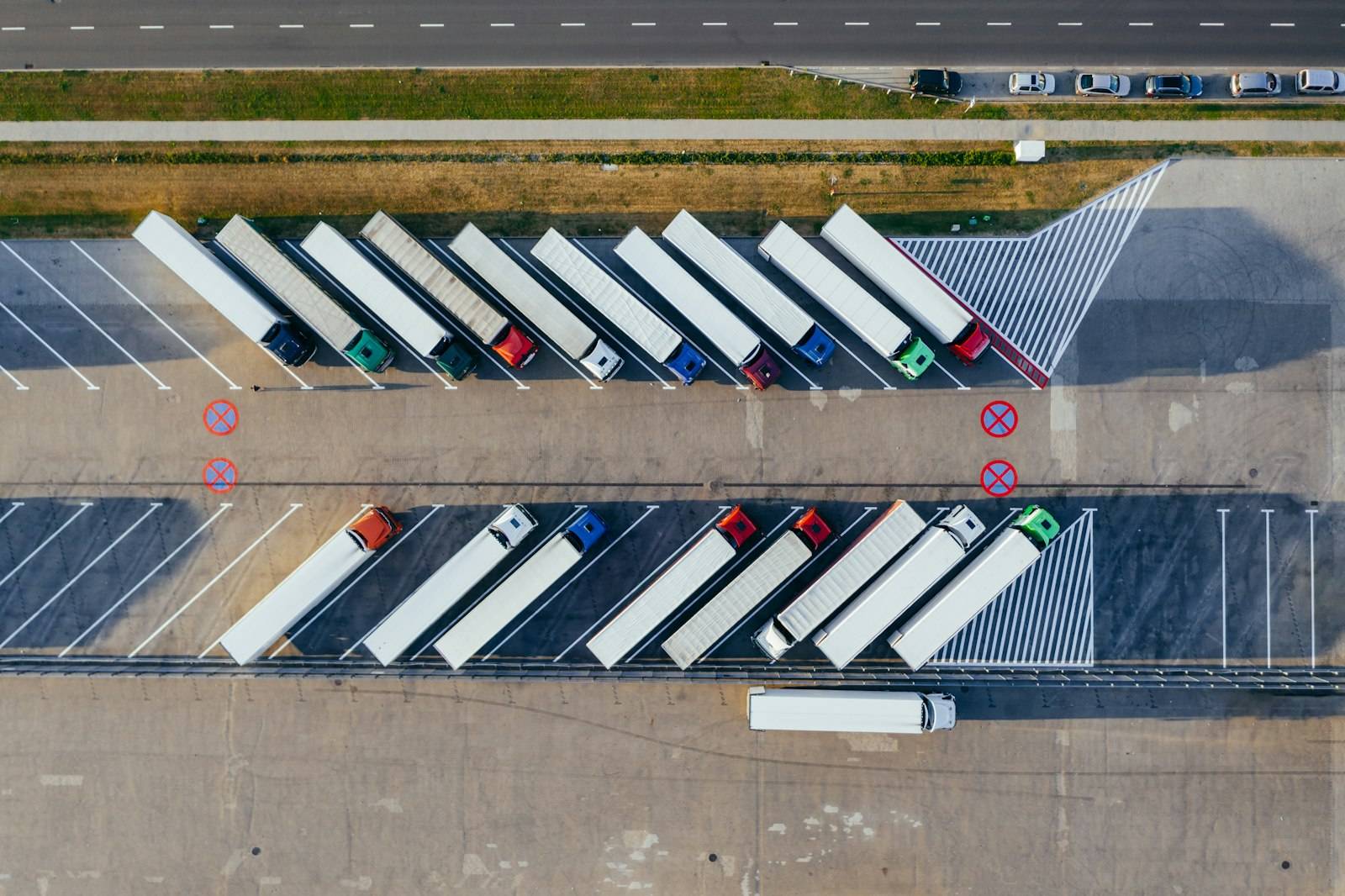
A parcel that starts inside the region skips the long international wait.
Who charges VAT, and on which sale, is agreed before the first label.
Carrier labels follow the lane. Packing notes can follow your brand.
You do not need every size in every country.
A buyer in one country and a buyer in another can be different products from a carrier’s point of view. The quote lists the countries you actually have orders in. We would rather decline a country than improvise customs.
How it runs
01
Where orders already come from.
02
With your advisor. We execute the operational half.
03
Not the whole catalog.
04
On services those countries can track.
Also on the bench
A local returns address is part of a serious EU offer.
Unless you supply translations you want used.
If paperwork is wrong, the carton waits. We would rather tell you than guess a code.
China is the default node. Sourcing, inspection, storage, kitting, and direct-to-buyer lanes all begin here. You add other countries only when a SKU has earned the trip.
A United States node is for products with a steady American buyer. It shortens the last mile. It is a poor place to park a guess.
Australia punishes a casual ship promise. If the product is a repeat purchase, a local node is often the difference between a second order and a complaint.
Tell us what you sell and where it needs to go. We reply with sourcing, storage, handling, and shipping options.